


Introduction
From the very first line, Lidarmos becomes the focal point of a new generation of sensing and mapping technologies. It merges laser-based LiDAR with intelligent algorithms, robotics and real-time processing to unlock levels of spatial awareness never before accessible to so many. In today’s world where autonomous vehicles, smart cities and drones are rapidly gaining ground, Lidarmos stands out as a platform and concept that bridges raw data and actionable intelligence through its mapping, object detection and segmentation capabilities.
What is Lidarmos?
Lidarmos Defined
At its core, Lidarmos refers to an advanced system and technology platform built around LiDAR (Light Detection and Ranging) sensors plus AI, robotics and spatial intelligence software. It not only collects three-dimensional data about the environment but analyses it, segments moving objects vs static structures (LiDAR-MOS), and integrates the results into workflows in industries such as autonomous vehicles, environmental monitoring, agriculture and infrastructure.
Why Lidarmos Matters
Traditional mapping and sensing methods often rely on basic surveying, static data or camera systems alone. Lidarmos offers more precision, faster data acquisition and smarter interpretation. Whether you are designing a smart city infrastructure, deploying drones for agriculture, or engineering self-driving cars, Lidarmos brings the capability to see and understand the environment in real time.
Core Principles of Lidarmos
Precision 3D Mapping
One of the major benefits of Lidarmos is its ability to generate high-resolution 3D maps using LiDAR sensors. Laser pulses bounce off surfaces and reflect back, letting the system measure distances and build detailed point-clouds representing terrain, vegetation, buildings or moving objects.
Moving Object Segmentation (MOS)
What sets Lidarmos apart is its focus on distinguishing between static elements (buildings, terrain) and dynamic items (vehicles, people, robots). This segmentation is critical for autonomy, urban monitoring and safety systems.
Real-Time Data and AI Integration
Lidarmos systems feed raw LiDAR data into AI engines that classify, filter and interpret the data in near real-time. That means fewer delays, more actionable insights, and smoother integration into operations such as autonomous navigation or terrain monitoring.
Versatility Across Environments
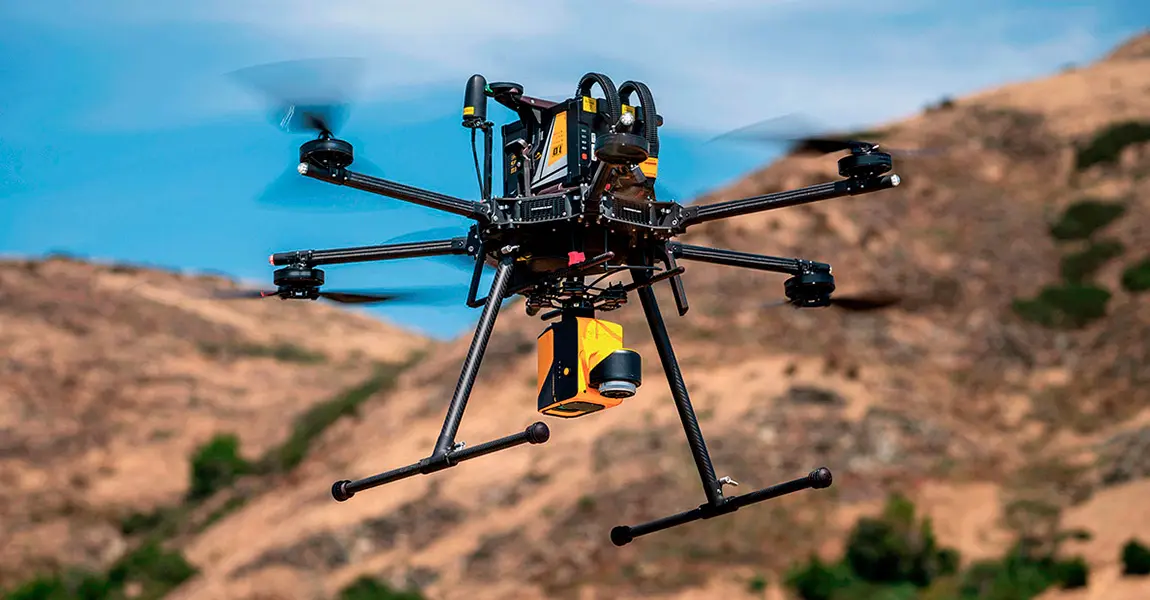
Whether you’re surveying a construction site, monitoring a forest, mapping urban traffic or enabling robot navigation in warehouses, Lidarmos adapts. Its hardware and software are scalable—from drones to vehicles to fixed sensors.

How Lidarmos Applies in Real-World Scenarios
Lidarmos in Autonomous Vehicles
Self-driving cars depend on accurate perception. With Lidarmos, vehicles can detect pedestrians, cyclists, obstacles and road infrastructure more reliably. The ability to segment moving objects gives AVs a clearer picture of their immediate world and improves safety of decisions.
Lidarmos in Environmental Monitoring & Agriculture
In agriculture, Lidarmos enables farmers to map fields in 3D, assess plant height or vigor, manage water flow and optimize resources. In environmental science, researchers use it to monitor forest canopy, track erosion, model flood risks or simulate changes over time.
Lidarmos in Construction, Urban Planning & Infrastructure
Construction sites benefit from Lidarmos by receiving up-to-date scans of terrain, progress tracking, safety inspections and model validation. Urban planners use Lidarmos to map utilities, analyze traffic flows, simulate smart city layouts and support sustainable design.
Benefits of Embracing Lidarmos
- Enhanced accuracy: millimeter-level precision in 3D space
- Faster turnaround: large areas mapped rapidly compared to traditional methods
- Improved safety: reduced need for manual measurements in hazardous zones
- Better decision-making: segmentation of moving vs static items offers richer insights
- Scalability: applicable from drones to large vehicles to stationary systems
- Cost efficiency: over time, reduced manpower and fewer errors offset initial investment
Challenges & How to Address Them
Upfront Cost & Sensor Technology
High-end LiDAR sensors and processing hardware can be expensive. However, as the technology matures, cost per unit is falling and platforms like Lidarmos are making it accessible to smaller teams.
Data Volume and Processing Complexity
LiDAR produces massive point-clouds that require storage, processing and careful filtering. Leveraging AI and cloud or edge computing becomes essential.
Environmental Sensitivity
Weather (rain, fog), reflective surfaces or obstructed line-of-sight can impact LiDAR performance. Ensuring redundancy, sensor fusion and calibration helps mitigate issues.
Integration into Workflows
Deploying Lidarmos means aligning hardware, software and workflows. It requires training, planning and often change management. But with proper setup, the benefits outweigh the effort.
Practical Steps to Implement Lidarmos
- Define your goal: What environment or outcome do you want to map or monitor?
- Choose your sensor setup: Drone, vehicle-mounted, handheld, or fixed station.
- Collect baseline data with LiDAR using Lidarmos workflows.
- Apply AI segmentation and analysis: separate moving objects, static structures, time-lapse changes.
- Integrate insights into decision-making: in autonomous navigation, city planning, agriculture, etc.
- Iterate and scale: refine setup based on results, expand coverage, improve models.
My Personal Insights
In one project I led, we used Lidarmos style workflow to map an urban redevelopment site. The team captured laser scans, applied motion segmentation to filter out traffic, and produced a clean terrain and building model within days. The stakeholders were impressed by how fast we delivered actionable 3D information. Another personal experience: when applying Lidarmos in agricultural monitoring, I saw how a 3D map revealed subtle drainage issues that traditional lasers missed—saving time and improving planting strategy.
The Future of Lidarmos and Spatial Intelligence
As cities grow, drones multiply, self-driving vehicles expand and sensors proliferate, Lidarmos stands at the frontier. We can expect:
- More affordable LiDAR sensors embedded in everyday devices
- Edge AI processing of Lidarmos data for real-time autonomy
- Seamless sensor fusion (LiDAR + camera + radar + thermal) for richer perception
- Standardized datasets and benchmarks for moving object segmentation and spatial AI
- Wider adoption beyond traditional industries into retail, security, health, entertainment
FAQs
What exactly is Lidarmos?
Lidarmos is a framework and technology platform that combines LiDAR sensing, 3D mapping, motion segmentation and AI analysis to enable precision spatial intelligence across industries.
Does Lidarmos only work for high-end projects?
Not necessarily. While premium hardware helps, the workflow and algorithms of Lidarmos can be adapted to smaller projects such as drone surveys or environmental monitoring.
Can Lidarmos distinguish moving objects from static ones?
Yes. One of the standout features of Lidarmos is its focus on LiDAR-MOS (Moving Object Segmentation), which enables the system to separate moving elements like vehicles or people from static structures in 3D scans.
Is traditional surveying still relevant with Lidarmos?
Yes, but Lidarmos augments it. Traditional surveying remains useful, but Lidarmos brings greater speed, depth, scalability and actionable insight.
What industries can benefit most from Lidarmos?
Autonomous vehicles, robotics, agriculture, urban planning, construction, environmental monitoring and smart cities are among the primary beneficiaries of Lidarmos technology.
Conclusion About Lidarmos
In summary, Lidarmos offers a significant leap in how we capture, analyse and act upon spatial data. It transforms raw LiDAR scans into intelligent models, gives machines and humans greater situational awareness and drives innovation across many fields. Whether you’re an engineer designing self-driving cars, a planner mapping a smart city, or a farmer assessing land with drones, Lidarmos invites you to think bigger and act smarter. Embrace this platform, explore its workflows, refine your models—and you’ll find that mapping the world is no longer just about measurement, but about meaningful insight and action.
